What Certifications Should DIY Craft Toys Have for Safety?

Time:2026-08-23 Author:Henry
0%

In the DIY craft toy industry, safety is paramount. Parents want assurance that the toys their children use are safe and compliant with regulations. The question arises: what certifications should DIY craft toys have? According to a recent report from the Toy Industry Association, over 70% of parents consider safety certifications crucial when selecting toys. Toys bearing recognized safety certifications often enjoy higher consumer trust and confidence.

Expert Dr. Emily Chen, a safety consultant in the toy industry, emphasizes the importance of these certifications. She states, "Certifications not only protect children but also reassure parents that they are making safe choices." Common certifications include ASTM F963, EN71, and ISO 8124. Each serves different regulatory needs and geographical standards.

While many DIY craft toy makers strive for compliance, some may overlook vital certifications. This can lead to serious safety issues and the potential recall of products. A clear understanding of what certifications should DIY craft toys have can guide manufacturers and empower consumers. Prioritizing these standards is essential for the industry's growth and child safety.
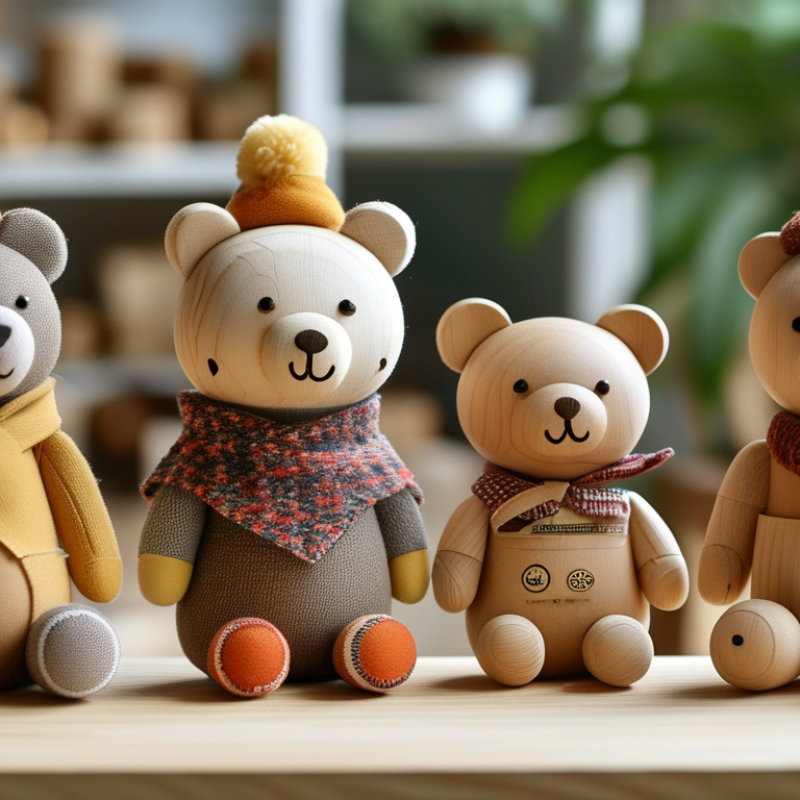
What Certifications Should DIY Craft Toys Have for Safety?

What Certifications Ensure Safety in DIY Craft Toys?

When considering the safety of DIY craft toys, certifications play a crucial role. Certifications indicate that the products have undergone rigorous testing to ensure they meet safety standards. Look for certifications like ASTM (American Society for Testing and Materials) and EN71 (European Standard for Toy Safety). These ensure that the materials used are non-toxic and the toys are free from sharp edges.

It's important to remember that not all toys are created equal. Some DIY craft toys might not have any certifications at all. This can be concerning, especially for children who are more sensitive to harmful substances. Always check for labeling and documentation. Some manufacturers may not highlight their certifications, leading to confusion.

Additionally, while certifications provide a layer of assurance, they aren't foolproof. Occasionally, toys can still pose risks despite being certified. Regularly reassessing the toys you and your children use is essential. Keep an eye out for any wear and tear or potential hazards. Prioritizing safety in DIY craft toys is a collective responsibility that requires continuous vigilance and awareness.

Understanding Safety Standards for Children's Products

When considering DIY craft toys, understanding safety standards is crucial. These products must meet specific safety certifications to ensure they are safe for children. Common certifications include ASTM F963 and EN71. These standards cover various aspects like material safety, choking hazards, and chemical exposure.

Materials should be non-toxic and durable to withstand rough handling by children. Craft toys that meet safety standards are tested for harmful substances. For example, toys should be free from lead and phthalates. Many parents may feel overwhelmed by these certifications. It is essential to research credible sources about what these standards mean.

Parents should also be aware that not all so-called "safe" toys are equally reliable. Some may lack transparency in their testing processes. As a result, looking for toys made in responsible environments is vital. Checking product labels thoroughly can help make informed choices. Safety isn't just a label—it's a commitment to children's well-being.

What Certifications Should DIY Craft Toys Have for Safety? - Understanding Safety Standards for Children's Products

Certification Description Applicable Age Group Certification Body
ASTM F963 Standard Consumer Safety Specification for Toy Safety 0-14 years ASTM International
EN71 European Standard for Safety of Toys 0-14 years European Committee for Standardization
CPSIA Consumer Product Safety Improvement Act, includes lead content limits All ages U.S. Consumer Product Safety Commission
ISO 8124 International standard for toy safety 0-14 years International Organization for Standardization
FCC Certification Ensures that electronic toys meet electronic safety standards Varies by product Federal Communications Commission (USA)

Essential Certifications for Non-Toxic Craft Materials

Choosing safe craft materials is crucial, especially for children. Parents should look for essential certifications that ensure non-toxic qualities. One key certification is the ASTM D4236, which confirms that art supplies meet safety standards. This ensures that materials do not contain dangerous chemicals.

Another important certification is the EN71 standard, which focuses on the safety of toys. It covers various aspects, including flammability and choking hazards. When craft toys meet this certification, parents can trust that they are safe for use. Checking for these certifications can be challenging since not all products list them clearly. Craft materials may appear harmless but could contain hidden toxins.

It's essential to stay informed and vigilant. Sometimes, well-meaning crafts may still pose risks. Always read labels and consult relevant guidelines. Awareness and diligence can prevent risks. Engage with community resources or experts, as recommendations can help navigate this often confusing landscape of craft safety.

Evaluating Compliance with ASTM and EN Safety Regulations

When evaluating DIY craft toys, safety is paramount. Compliance with ASTM (American Society for Testing and Materials) and EN (European Norm) safety regulations is crucial. These standards ensure toys are non-toxic and free from sharp edges, which could harm children. The testing process includes assessments for chemical hazards and mechanical safety.

It's worth noting that not all manufacturers strictly follow these standards. Some toys may appear safe but lack proper certifications. This discrepancy can lead to potential risks for children during playtime. Parents must be vigilant. Always check for safety certifications before purchasing any DIY craft toy.

Understanding these compliance standards is essential for peace of mind. Look for labels indicating safety approval from recognized organizations. A toy might be colorful and fun but could fail safety tests. Sometimes, the most appealing toys might not be the safest. It's important for consumers to do their research and advocate for transparency in toy safety.

Safety Certification Compliance of DIY Craft Toys

The Role of Third-Party Testing in DIY Toy Safety 인증

When it comes to DIY craft toys, safety is paramount. This is where third-party testing plays a crucial role. Independent testing labs can assess materials for harmful substances. They check for safety standards that are vital for children’s toys. These tests ensure that no toxic chemicals are present. Likewise, they evaluate the durability of the toys, ensuring they won't break easily.

The credibility of a toy’s safety certification often stems from rigorous evaluation. Third-party organizations provide an unbiased perspective on safety. They can identify flaws that manufacturers might overlook. This is important, as not all DIY kits adhere to the same quality. Some kits might contain small parts that pose choking hazards, which could easily slip by during in-house testing.

Moreover, parents should be aware that certifications vary in quality. Some certifications come from reputable sources, while others may have less stringent standards. Understanding these differences is essential for informed purchasing decisions. It is wise to seek out toys that have undergone comprehensive testing. By choosing tested products, parents can provide a safer play experience for their children.

FAQS

: What are important certifications for DIY craft toys?

: Look for certifications like ASTM and EN71. They ensure safety and non-toxic materials.

Why should I check for certifications in craft toys?

Certifications indicate toys have been tested for safety standards. Some toys may lack them, raising concerns.

Are all certified toys completely safe?

No, even certified toys can pose risks. Regularly inspect them for wear and potential hazards.

What safety aspects do ASTM and EN71 cover?

These certifications address material safety, choking hazards, and chemical exposure risks.

How can I ensure materials are safe for my children?

Choose toys that are non-toxic and durable. Research credible sources for thorough understanding.

What should I do if I find toys without clear certifications?

Be cautious. Prioritize products with transparent testing processes and responsible manufacturing environments.

How can I maintain awareness regarding toy safety?

Regularly assess toys for wear and potential hazards. Stay informed about safety standards and regulations.

Can some "safe" toys be unreliable?

Yes, some toys may lack transparency in testing. Always check product labels for thorough information.

What is the commitment behind toy safety?

It involves a continuous effort to ensure children's well-being, not just relying on labels.

Conclusion

When considering what certifications should DIY craft toys have, it is essential to understand the various safety standards that ensure these products are safe for children. Certifications such as ASTM and EN are critical, as they provide guidelines for evaluating the safety and non-toxicity of craft materials. These standards help in determining whether the toys meet the necessary requirements to be deemed safe for children’s use.

Moreover, the role of third-party testing is crucial in the certification process, ensuring impartial evaluation of the toys' compliance with established safety regulations. By prioritizing these essential certifications and rigorous testing, parents and creators alike can ensure that DIY craft toys are both safe and enjoyable for children.

Henry

Henry

Henry is a dedicated marketing professional with a profound expertise in the company's offerings. With years of experience in the industry, he possesses an impressive understanding of the market dynamics and consumer behaviors that drive success. Henry is committed to sharing his insights through......