DIY craft toys have gained popularity as engaging tools for children's development. According to Dr. Emily Martin, a renowned child psychologist, "Crafting allows children to express themselves and build critical skills." This statement highlights a vital aspect of understanding what are the benefits of DIY craft toys for children.
Crafting nurtures creativity. When kids design their toys, they explore colors, shapes, and textures. This process ignites their imagination. However, some may find it challenging to create what they envision. This struggle can lead to frustration, but overcoming it fosters resilience. Crafting together with adults also strengthens relationships, but not all parents have the time to participate.
Another benefit includes improving fine motor skills. Children manipulate various materials, which enhances hand-eye coordination. But, it's important to note that age-appropriate tools are essential. A younger child may become overwhelmed with complex tasks. Therefore, finding the right balance is crucial. Recognizing both the advantages and the challenges can ensure a meaningful crafting experience for children.
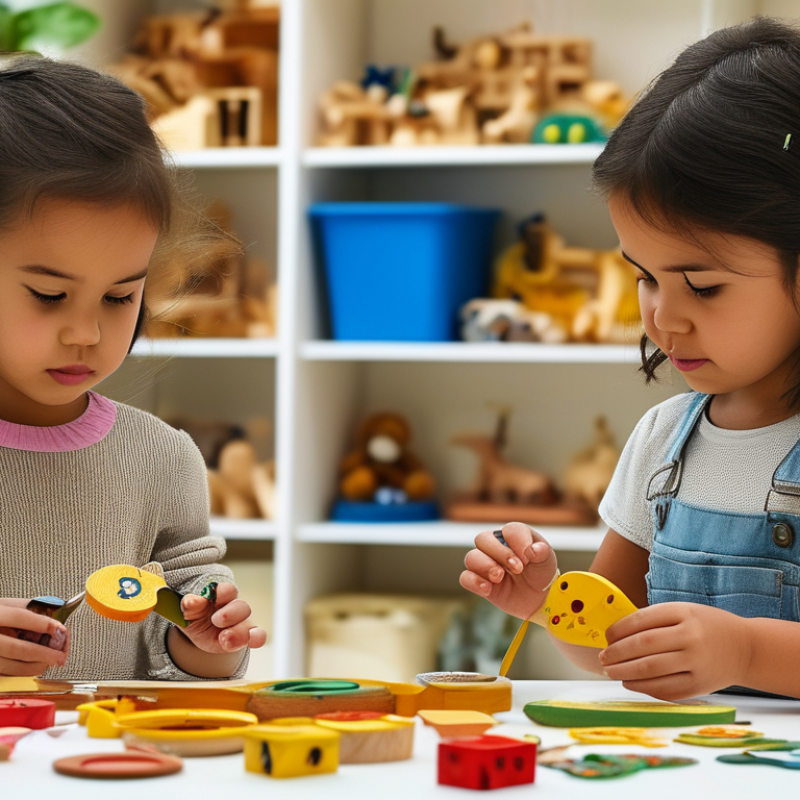
DIY craft toys offer numerous benefits that significantly enhance child development. Engaging in hands-on activities helps children develop their fine motor skills. They learn to manipulate tools, cut materials, and assemble pieces, which strengthens their hand-eye coordination. This physical engagement is crucial as it builds a foundation for more complex tasks in the future.
Additionally, crafting fosters creativity and imagination. Kids can express their ideas freely, altering designs as they see fit. This creative freedom allows them to experiment with colors and shapes, leading to innovative thinking. While some children may struggle with perfectionism, it’s vital to encourage them to embrace their unique creations. This process teaches resilience, as kids learn that mistakes are part of learning and growth.
Social skills also improve through collaborative crafting experiences. Working together on projects teaches kids how to share materials and ideas. They learn to communicate more effectively and resolve conflicts when disagreements arise about the project. Even though not all kids thrive in group settings, navigating these interactions is essential for their social development. Through DIY crafts, children gain confidence, creativity, and vital life skills.
Creative play is essential for children's development. DIY craft toys stimulate their minds and encourage imaginative thinking. When kids create their toys, they engage in problem-solving. They learn to think critically about materials and designs. Each step in crafting brings new challenges. This hands-on experience fosters resilience. Children often face setbacks, like a broken piece. These moments teach valuable lessons in perseverance.
Moreover, DIY crafts enhance cognitive skills. As children decide how to structure their projects, they practice planning and organization. They learn to balance colors, shapes, and sizes. These tasks engage their spatial awareness, which is vital for math skills later. Making choices while crafting nurtures decision-making abilities. It's fascinating how a simple craft can lead to complex skill sets development.
Furthermore, the act of creation promotes self-expression. Children can convey ideas and emotions through art. While creating, they might struggle to articulate their thoughts. This journey of expression is as important as the final product. It allows for reflection, growth, and newfound confidence. The impact of such play extends well beyond childhood.
Statistics indicate a significant growth in DIY craft kits within educational contexts. A recent survey revealed that 78% of teachers now incorporate craft activities into their curricula. This shift emphasizes the importance of hands-on learning. Crafting helps improve fine motor skills, creativity, and problem-solving abilities.
In 2022, market analysis showed a 35% increase in DIY craft kit sales specifically for educational purposes. Schools report higher engagement levels among students when using these kits. Moreover, 62% of educators believe these activities enhance collaboration and teamwork. Yet, some educators express concerns about the availability and cost of supplies.
While the benefits are clear, there are challenges. Not all children have equal access to these resources. Disparities in funding can limit opportunities for some students. Educators must reflect on how to bridge these gaps to ensure all kids can benefit from DIY crafting. The data supports a movement towards making craft materials more accessible.
The data illustrates the growing popularity of DIY craft kits in educational settings from 2019 to 2023. The percentage indicates an increasing trend, highlighting the benefits of creative play through crafting as educational tools for children's development.
When comparing DIY craft toys to commercial toys, the differences in skill acquisition become clear. DIY toys encourage children to engage in hands-on activities. Kids learn to follow instructions and use their creativity. Such experiences foster a deeper understanding of concepts like problem-solving and critical thinking. They also promote fine motor skill development, as children cut, glue, and assemble different parts.
Commercial toys often focus on immediate entertainment. While they may provide some value, they typically do not offer the same level of engagement. A child may play with a pre-made toy for a few minutes and then lose interest. In contrast, making a toy can lead to hours of imaginative play. The process itself can be fun and fulfilling. However, some may find DIY projects challenging, which may lead to frustration if expectations are too high.
Overall, both DIY and commercial toys have their places in childhood development. Each offers different experiences and skill sets. Balancing the two can ensure that children benefit from a comprehensive play experience. Continuous reflection on what engages children can guide future choices in toys, whether they are DIY or commercially produced.
| Aspect | DIY Toys | Commercial Toys |
|---|---|---|
| Skill Acquisition | Enhances problem-solving, creativity, and critical thinking. | Focuses on specific skills, often limited to packaging instructions. |
| Cost | Generally lower, requires basic materials. | Higher price point due to branding and manufacturing. |
| Customization | Highly customizable according to child’s interest. | Limited customizability, pre-defined options. |
| Engagement | High engagement due to hands-on activity. | Variable engagement based on level of interaction. |
| Learning Curve | Encourages trial and error learning. | Structured learning, less opportunity for exploration. |
| Social Skills | Promotes teamwork and social interaction when done in groups. | Varies, often plays a solitary role. |
Crafting plays a vital role in early childhood education. It fosters creativity and enhances fine motor skills. Engaging children in DIY craft toys offers them a chance to express themselves. Through hands-on activities, children learn to solve problems and think critically. These skills are essential for their development and future learning.
Parents can encourage crafting at home. Start by providing simple materials like paper and scissors. Let children explore and create without strict guidelines. This freedom can lead to unexpected and delightful results. Consider setting up a designated crafting area. It will inspire children to engage more often with their projects. Also, participate in crafting sessions. Your involvement will deepen their love for the activity.
Tips: Allow children to make mistakes. This process is essential for learning. Celebrate their creativity, regardless of the outcome. Set small challenges to motivate them. For example, ask them to create a toy from recycled materials. This not only nurtures creativity but also teaches sustainability. Always keep the experience light and fun, allowing room for reflection and improvement.
: DIY toys enhance problem-solving and critical thinking skills through hands-on activities.
Commercial toys often provide short-term entertainment, while DIY toys can lead to hours of imaginative play.
Simple materials like paper, scissors, and recycled items can inspire creativity in children.
Setting up a designated crafting area encourages children to engage freely with their projects.
Allowing mistakes is crucial. It promotes learning and encourages resilience in children.
Participating in crafting sessions deepens children's love for the activity and strengthens the bond.
Parents should acknowledge creativity, regardless of the results, to motivate and encourage ongoing exploration.
Yes, balancing both ensures children benefit from diverse experiences and skill development.
DIY craft toys offer numerous benefits for children, playing a crucial role in their development. Engaging in creative play enhances cognitive skills, fostering critical thinking, problem-solving, and innovative abilities. Statistics reveal a growing trend in educational settings, where more DIY craft kits are being incorporated into the curriculum, reflecting a shift towards hands-on learning experiences. A comparative analysis suggests that DIY toys can outperform commercial toys in skill acquisition, providing children with opportunities to develop fine motor skills and creativity.
Parental insights highlight the importance of crafting in early childhood education. As parents seek to understand what are the benefits of DIY craft toys for children, they increasingly recognize the impact of these activities on emotional and social development. Crafting not only encourages self-expression but also strengthens the bond between parents and children, making it an invaluable aspect of early learning.

JKit Toys