Identifying high-quality DIY craft toys is essential for global sourcing. According to industry expert Linda Johnson, “Focus on materials, safety, and creativity in toy design.” Her insights highlight the importance of evaluating both the craftsmanship and the potential for creative play.
In today’s competitive market, consumers seek toys that inspire creativity while ensuring safety. Many suppliers might prioritize cost over quality. This approach can lead to a surge of low-quality products that fail to meet safety standards. Therefore, understanding how to identify high-quality DIY craft toys becomes imperative.
Observation during your sourcing process can reveal much. Pay attention to the materials used; they should be non-toxic and durable. Seek products that have certifications, reflecting compliance with safety regulations. Quality toys not only provide entertainment but foster learning. Engaging with knowledgeable suppliers can also offer additional insights into product quality. Explore various options and maintain a critical eye to avoid pitfalls in your selection process.
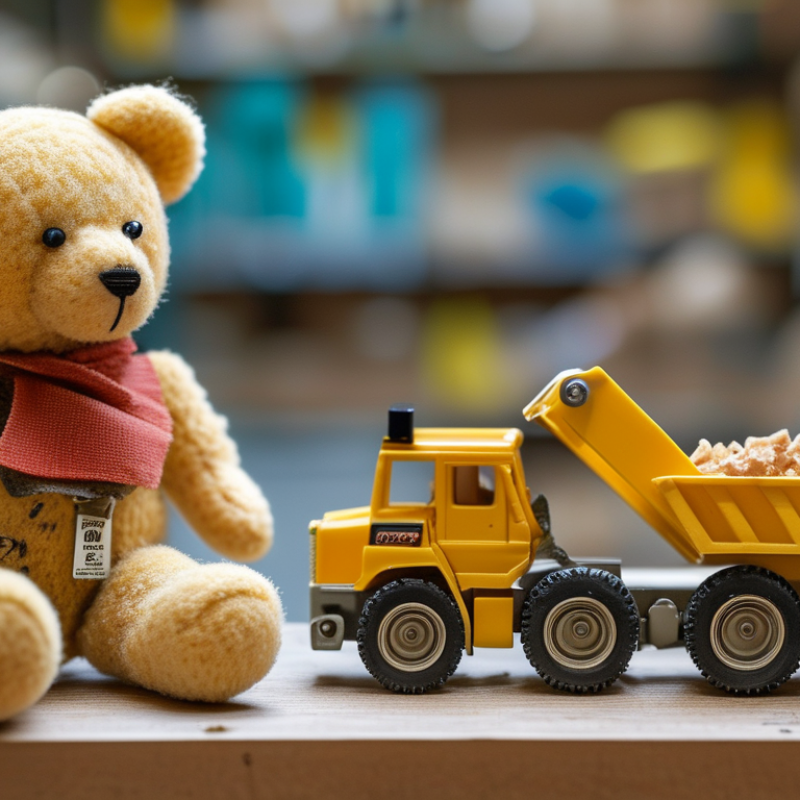
When sourcing high-quality DIY craft toys, materials play a crucial role. Look for non-toxic and eco-friendly options. Organic cotton, natural wood, and recycled materials often meet these standards. Safety is paramount in toy production. Check for certifications that indicate adherence to safety regulations. This ensures the products are safe for children.
Consider the texture and durability of materials as well. Soft, plush fabrics should be resilient to withstand regular use. Natural wood should be smooth and splinter-free. These considerations not only enhance the play experience but also impact the longevity of the toys.
Not all suppliers have the same commitment to quality. Research potential partners carefully. Ask for samples and inspect them. Check for craftsmanship and details. Each toy should be well-made and safe. Building relationships with reliable suppliers takes time. Trust your instincts and reflect on previous experiences. Your choices can create a positive impact on children's playtime.
When sourcing DIY craft toys, assessing safety standards and certifications is crucial. Parents and caregivers prioritize safety. Understanding these certifications can help in selecting high-quality toys. Look for toys that comply with EN71 (European safety standard) or ASTM F963 (U.S. standard). These ensure that materials and designs are safe for children.
Check for labeling. Manufacturers often display certifications clearly. Transparent sourcing reflects commitment to safety. However, not all toys will be easy to verify. Some manufacturers may lack credible certifications. This should raise concerns. Trust your instincts, and don’t hesitate to ask questions.
Evaluating safety is an ongoing challenge. The craft toy landscape evolves rapidly. Keeping abreast of industry news can aid in making informed choices. Engage with communities focused on child safety. Share experiences and ask about toy sourcing. These insights can illuminate which safety standards truly matter. Remember, the best toys not only inspire creativity but also prioritize safe play.
Evaluating design and usability features in DIY craft toys is essential for ensuring quality and enjoyment. A well-designed toy should stimulate creativity while being user-friendly. Check how easy it is for kids to understand the instructions. Complex designs may lead to frustration rather than fun.
Tips: Always inspect the clarity of instructions. Visual aids can enhance understanding. Consider user feedback about their experiences. Are the components durable? Toys that break easily can disappoint both kids and parents.
Usability also involves safety features. Ensure that materials are non-toxic and suitable for various age groups. Look for rounded edges and secure connections. While innovative designs attract attention, compromised safety can lead to issues. Reflect on your sourcing decisions to assess their quality thoroughly.
| Toy Name | Design Quality | Usability Features | Age Suitability | Material Safety |
|---|---|---|---|---|
| Wooden Building Blocks | Excellent | Easy assembly, promotes creativity | 3+ | Non-toxic, certified |
| DIY Jewelry Kit | Good | Variety of components, instructional guide included | 8+ | Hypoallergenic materials |
| Craft Stick Art Set | Very Good | Versatile, encourages fine motor skills | 5+ | Safe, environmentally friendly |
| Origami Paper Kit | Excellent | Detailed folding instructions, creativity booster | 6+ | Acid-free paper |
| Paint Your Own Pottery | Very Good | Includes brushes and paint, promotes artistic expression | 7+ | Non-toxic glazes |
Understanding market trends and consumer preferences in craft toys is essential for anyone in the DIY industry. As families look for engaging and educational products, the demand for high-quality craft toys is on the rise. Consumers often prefer items that are sustainable and made from non-toxic materials. This aligns with their values, making these aspects crucial when sourcing products.
Observing current trends reveals a growing interest in customizable toys. Personalized features resonate well with consumers, as they create a sense of ownership. However, not all DIY craft toys live up to expectations. Some products may appear attractive but lack durability or safety. It's vital to rigorously test items to ensure they meet quality standards. Gathering feedback from parents can aid in identifying which toys delight children and satisfy their needs.
Moreover, keeping an eye on social media and online forums can provide valuable insights. Parents openly share their experiences and preferences. They often discuss what works and what doesn’t. This real-world feedback can significantly influence sourcing decisions. Comprehending these trends is a journey. It requires ongoing reflection and adaptation to remain competitive in the craft toy market.
When sourcing high-quality DIY craft toys, cost-effectiveness is a crucial factor. A careful evaluation of materials and production processes can ensure both affordability and quality. The right balance can enhance value while maintaining safety standards. This not only applies to toys but also influences customer satisfaction.
Tips: Always check if the materials used are safe for children's use. Verify certifications that ensure compliance with safety regulations. This can help avoid potential recalls or safety issues later.
Shipping costs are another hidden expense in sourcing. Compare logistics from different suppliers. A slightly higher product cost may be offset by lower shipping fees. Understand the regional market to make informed decisions. For instance, some regions offer better transport rates, influencing overall costs.
Finally, don’t overlook the importance of supplier relationships. A reliable supplier can provide insights that save both time and money. Build connections for transparent communication and better negotiation. Regular feedback loops can improve product quality and sourcing efficiency.
: Look for non-toxic and eco-friendly materials. Organic cotton, natural wood, and recycled options are great choices.
Check for safety certifications. These indicate adherence to necessary regulations and ensure products are safe for children.
Consider texture and durability. Plush fabrics should last long, and wood should be smooth and splinter-free for safety.
Not all suppliers prioritize quality. Researching helps you find reliable partners and ensures well-made, safe toys.
Observe market trends and gather feedback from parents. This helps identify what toys appeal to children and meet their needs.
Customizable features create a sense of ownership. However, ensure these toys are durable and safe to avoid disappointments.
Evaluate materials for affordability while maintaining quality. Consider shipping costs and regional rates to find a better deal.
Reliable suppliers offer insights that save time and money. Building connections allows for better communication and negotiation.
Always verify safety certifications. Ensuring compliance can prevent recalls and safety concerns down the line.
Reflect on trends and consumer feedback. Continually adapt your strategies to meet evolving demands in the market.
In the quest to understand how to identify high-quality DIY craft toys for global sourcing, several critical factors come into play. First, the selection of key materials is fundamental; assessing the durability and safety of materials ensures that the toys meet quality standards. Furthermore, evaluating safety standards and certifications is vital to guarantee compliance with industry regulations and consumer safety.
The design and usability features of DIY craft toys also significantly impact their appeal, as toys that promote creativity and ease of use tend to attract broader consumer interest. Understanding current market trends and consumer preferences is essential for sourcing products that align with market demands. Finally, analyzing the cost-effectiveness of sourcing high-quality DIY craft toys helps strike a balance between quality and affordability, enabling businesses to make informed purchasing decisions. Together, these elements form a comprehensive approach to identifying high-quality DIY craft toys in the global market.

JKit Toys