Top Skills Children Can Learn from DIY Craft Toys?

Time:2026-07-19 Author:Charlotte
0%

In today's world, DIY craft toys are more than just tools for play. They offer children countless opportunities to learn valuable skills. According to Dr. Emily Carter, an expert in childhood development, "DIY craft activities spark creativity and enhance problem-solving abilities." This highlights the significance of engaging kids in hands-on projects.

What skills can children learn from DIY craft toys? From enhancing fine motor skills to boosting confidence, the benefits are numerous. Creating something from scratch allows kids to express their thoughts and emotions. Moreover, as they navigate challenges during the crafting process, they learn resilience. Each successful completion builds a sense of accomplishment.

However, not every child will excel at DIY projects immediately. Some might feel frustrated when things don’t go as planned. This imperfection is part of the learning journey. Understanding that mistakes are valuable lessons is crucial. These experiences, while challenging, foster a growth mindset in children. Emphasizing the importance of creativity and patience, DIY craft toys can truly shape a child's future.
Top Skills Children Can Learn from DIY Craft Toys?

Essential Motor Skills Development Through DIY Craft Toys

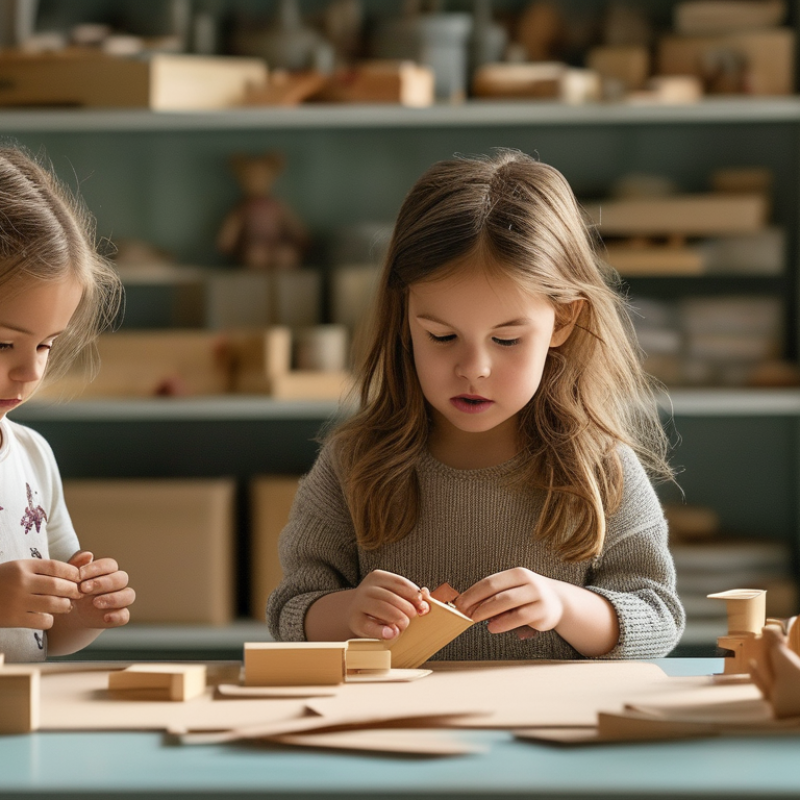
DIY craft toys are more than just fun activities for children. They play a crucial role in developing essential motor skills. As kids engage in crafting, they improve their hand-eye coordination and dexterity. Simple actions, like cutting paper or gluing pieces together, refine their fine motor skills. This hands-on experience encourages creativity and boosts confidence.

Tips: Encourage children to attempt tasks independently. Allow them to experiment with different materials. They might struggle at first, but perseverance is key. If they become frustrated, remind them that mistakes are part of learning.

Through DIY craft projects, children learn to control their movements more precisely. As they manipulate various tools, their grip strength and finger coordination improve. These skills transfer to daily activities like writing and tying shoelaces. It’s fascinating to observe how their efforts lead to tangible results, like a completed project.

Tips: Celebrate their achievements, no matter how small. This reinforces a sense of accomplishment. Discuss what they enjoyed or found challenging during the crafting process. Reflection helps them understand their growth and areas to work on.

Fostering Creativity and Imagination with Craft Projects

DIY craft projects offer children a unique opportunity to expand their creativity and imagination. According to a report by the American Educational Research Association, engaging in craft activities can enhance problem-solving skills by up to 30%. When children create something from scratch, they navigate challenges and learn to think outside the box. This hands-on experience fosters a mindset of innovation that is crucial in today’s world.

Crafting also encourages self-expression. Children use colors, shapes, and materials that resonate with their personalities. A study published in the Journal of Creative Behavior found that children involved in crafting demonstrate improved emotional intelligence. They learn to articulate their thoughts and feelings through their creations. While crafting is fun, it can be frustrating. Children may face difficulties, leading to moments of reflection. These challenges can teach resilience.

Moreover, DIY projects can be social activities. Collaborating with peers allows children to share ideas and feedback. The National Endowment for the Arts indicates that children participating in collaborative crafts see a 25% increase in communication skills. While the process can be messy, the learning outcome is rich. Through trial and error, kids grasp the essence of creativity and develop a lifelong appreciation for the arts.

Problem-Solving Skills Enhanced by Craft Challenges

Craft challenges can significantly enhance children's problem-solving skills. Engaging in DIY projects requires kids to think critically and creatively. They face obstacles, like figuring out how to combine materials effectively. This promotes trial and error, as children learn to adapt their approach based on what works and what doesn’t.

When children encounter difficulties in a project, they must analyze the situation. Maybe a chosen glue isn’t holding. They might need to rethink their strategy. By troubleshooting, kids practice persistence. They learn that setbacks are part of the process. This builds resilience, pushing them to find alternative solutions.

Moreover, working with craft toys fosters teamwork. Kids often collaborate on projects, sharing ideas. This interaction encourages them to communicate effectively. They must listen to one another and negotiate different perspectives. It's not just about creating something tangible. It’s about learning how to navigate challenges together. These experiences shape their ability to solve problems in everyday life.

Collaboration and Teamwork Learned from Group Craft Activities

Collaboration and teamwork are essential skills for children to develop, particularly in a world that increasingly values cooperation. Engaging in group craft activities provides ample opportunities for children to practice these essential skills. According to a report by the Education Development Center, children who participate in collaborative projects show a 30% increase in group problem-solving abilities.

In group settings, kids face different perspectives. They learn to negotiate ideas, manage conflicts, and celebrate each other's strengths. Children often struggle to balance their vision with others', and this struggle is crucial for growth. They may not always agree, which is part of learning how to work as a team. Research indicates that teamwork in creative projects enhances social-emotional skills, vital for future endeavors.

Tips: Encourage open dialogue. Allow children to express their thoughts and feelings freely. Incorporate roles in the craft project, so each child feels responsible and included. This can boost their confidence. Reflect on group work afterward. Discuss what worked and what didn’t. Such reflections can guide them in future collaborations, turning mistakes into valuable lessons.

Top Skills Children Can Learn from DIY Craft Toys? - Collaboration and Teamwork Learned from Group Craft Activities

Skill Description Benefits Example Activity
Communication Expressing ideas and listening to others. Improved verbal skills; fostering relationships. Group discussions on crafting ideas.
Problem-Solving Finding solutions to obstacles during crafting. Enhanced critical thinking; adaptability. Collaborative projects with unexpected challenges.
Teamwork Working together towards a common goal. Learning cooperation; building trust. Group mural or large craft assembly.
Creativity Expressing oneself through unique designs. Boosting imagination; individual expression. Collaborative art piece creation.
Leadership Guiding a team to complete tasks. Developing responsibility; decision-making skills. Assigning roles in a group project.

Boosting Confidence and Self-Esteem through Completed DIY Projects

Engaging in DIY craft projects is a powerful catalyst for boosting children's confidence and self-esteem. According to a report by the American Psychological Association, 75% of children who complete hands-on projects feel a marked improvement in their self-worth. This transformation often stems from the joy of creating something tangible with their own hands. Each completed project fosters a sense of accomplishment, which is crucial for young minds.

Children face challenges while working on DIY crafts. They may struggle with problem-solving or find it hard to follow instructions. Yet, overcoming these hurdles is vital. With a little perseverance, they will develop resilience. Studies show that resilience correlates strongly with self-esteem. The American Academy of Pediatrics notes that children who encounter and overcome challenges have higher self-confidence levels.

As children see their creations evolve from mere ideas into physical objects, it becomes easier for them to believe in their abilities. This creative process teaches them to appreciate imperfections. Outcomes may not always be ideal, but what matters is the journey and growth. Embracing flaws fosters a mindset of learning and development.

FAQS

: What skills do children develop through DIY craft toys?

: Children improve hand-eye coordination, dexterity, and fine motor skills while crafting.

How can mistakes help children in DIY projects?

Mistakes are essential for learning. They teach children perseverance and problem-solving.

Why is celebrating small achievements important?

Celebrating achievements boosts children's confidence and reinforces a sense of accomplishment.

How does group crafting promote teamwork skills?

Group crafting encourages negotiation, conflict management, and appreciation of different perspectives.

What role does reflection play in children's crafting activities?

Reflecting on experiences helps children understand their growth and identify areas for improvement.

How can children benefit from using different materials in crafts?

Experimenting with various materials enhances creativity and can lead to skill improvement.

What can parents do to support their children's crafting efforts?

Encourage independence and open dialogue, allowing kids to express thoughts and feelings.

Why is collaboration in crafting challenging for kids?

Children may struggle to balance their ideas with others', which is vital for their development.

How does crafting affect children's daily life skills?

Skills learned in crafting, like grip strength, transfer to tasks like writing and tying shoelaces.

What is the impact of group craft projects on problem-solving?

Kids involved in group activities see a 30% increase in their group problem-solving abilities.

Conclusion

DIY craft toys provide a myriad of developmental benefits for children, contributing to essential skills that shape their growth. Through engaging in craft projects, children develop fine motor skills as they manipulate various materials, enhancing their dexterity and coordination. Furthermore, these activities foster creativity and imagination, allowing young minds to explore their artistic potential and envision unique creations.

Additionally, what skills can children learn from DIY craft toys extend to problem-solving abilities, as they face and overcome challenges during the crafting process. Collaborative projects promote teamwork, teaching children the value of working together towards a common goal. Lastly, the successful completion of DIY projects boosts children's confidence and self-esteem, instilling a sense of accomplishment. Overall, DIY craft toys are instrumental in nurturing a well-rounded skill set in children.

Charlotte

Charlotte

Charlotte is a seasoned marketing professional with a deep understanding of the company's portfolio and a passion for elevating its presence in the market. With a keen eye for detail and a commitment to excellence, she ensures that our professional blog is regularly updated with insightful articles......