Storing DIY craft toys properly is essential for their longevity and continued enjoyment. According to a report by the Craft and Hobby Association, over 70% of DIY projects could be enhanced with effective storage solutions. Regularly, experts emphasize that the right storage can significantly extend the life of craft toys. Dr. Emily Harper, a renowned figure in the crafting industry, states, “The best storage practices prevent wear and tear on your cherished creations.”
In the quest to learn how to store DIY craft toys properly, consider compartmentalization and climate control. Use bins and boxes that are clear to easily identify contents. Furthermore, maintaining a stable environment keeps materials from degrading. Mistakes in storage, like stacking heavy items or exposing toys to humidity, can lead to damage. Craft enthusiasts often overlook basic principles, leading to frustration when retrieving items.
It's crucial to recognize that not all storage methods are equally effective. Many people find themselves with tangled supplies and broken toys. Reflecting on these choices can lead to better habits. Implementing well-researched storage systems can transform your crafting experience, making it more enjoyable and efficient.
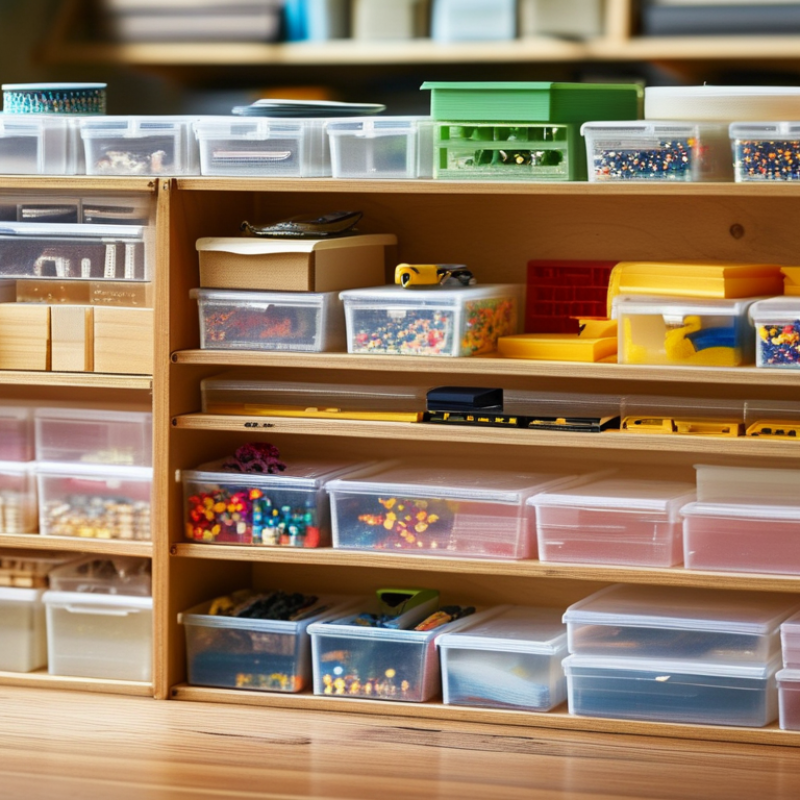
Identifying Suitable Storage Conditions for DIY Craft Toys
When storing DIY craft toys, it’s essential to consider their storage conditions. Various materials used in craft toys require specific environments to maintain their integrity. For example, wood or paper-based toys should be kept in dry areas. Excess moisture can lead to warping or mold growth. On the other hand, plastic toys can degrade under direct sunlight and high temperatures. Storing these items in a cool, shaded space can help preserve their quality.
Ventilation plays a crucial role in maintaining the right conditions. Poorly ventilated spaces can trap humidity and encourage damage over time. Using breathable containers, like fabric bags or open bins, can mitigate this issue. Organizing materials can also help. Separate items by type or material to minimize wear caused by friction. It’s easy to overlook these basic storage principles, yet a little thought can make a big difference.
Reflecting on storage habits can bring new insights. Many people use cardboard boxes, which could be less effective. Over time, these boxes may weaken or attract pests. Reassessing your approach to storage can lead to better preservation. Making small changes can significantly enhance the longevity of your DIY craft toys.
Choosing the Right Storage Containers for Craft Toys
Choosing the right storage containers for craft toys is crucial for longevity. According to a report from the Craft and Hobby Association, nearly 75% of crafters found that proper organization increased their productivity. The type of container matters. Clear bins allow you to see contents easily. However, dark bins may protect materials from light damage, which is a valid consideration.
Consider the size of the containers. Overstuffed bins can lead to wear and tear on items. Choosing appropriately sized containers helps maintain the integrity of delicate materials. Also, labeled containers simplify the retrieval process, which aligns with the findings that disorganization can cause up to 30% loss of crafting time.
Don’t forget about humidity control. Humidity can warp wood, paper, and other materials. Using airtight containers can mitigate this risk. However, doing so may limit airflow, which is necessary for certain items. Finding the right balance is key. Storing craft toys properly is an ongoing learning process, and refining your method is part of the journey.
Organizing Craft Toys by Type and Usage Frequency
Organizing craft toys effectively can extend their lifespan and make creative sessions enjoyable. According to a 2023 report from the Craft and Hobby Association, 78% of parents feel overwhelmed by craft supplies. Organizing by type helps manage this chaos. Divide supplies into categories such as paint, fabric, and beads. Use clear containers for visibility. This method ensures you can easily find what you need, reducing stress during projects.
Usage frequency is another key factor in storage. Items used often should be readily accessible. For instance, place daily-use supplies in a dedicated container on a desk or craft table. Less frequently used materials can go into higher storage or less accessible areas. A study showed that 65% of children lose interest in crafts due to clutter. Keeping frequently used items handy can keep creativity alive.
Reflection is essential in crafting organization. Assess your system regularly. Do you have items that rarely get used? These may clutter your space. Identifying these materials can highlight your evolving interests. Embrace flexibility in your storage strategies. As your crafting needs change, so should your organization system. Remember, a well-organized space can inspire creativity and maintain the joy of crafting.
Implementing a Regular Maintenance Routine for Longevity
Implementing a regular maintenance routine is essential for the longevity of DIY craft toys. These toys can be made from various materials such as wood, fabric, and plastic. Each material requires unique care methods. A study published in the Journal of Child Development shows that children benefit emotionally from well-maintained, engaging toys. Environments rich in creative play stimulate cognitive development significantly.
To ensure your craft toys last, inspect them regularly for damage. Look for fraying edges on fabric toys or cracks in wooden items. Regular cleaning is vital. Use gentle, non-toxic cleaners suitable for each toy material. A 2022 report by the Toy Association highlights that toys that are well-maintained can last up to five times longer than neglected ones. This not only saves money but encourages a culture of care.
Storage also plays a vital role. Keep toys in a cool, dry place away from direct sunlight. Humidity can warp and damage materials over time. By creating a routine involving cleaning and proper storage, you can maintain the value and safety of your DIY craft toys. Remember, neglecting maintenance can lead to unsafe play items, contradicting the purpose of nurturing creativity and joy.
Labeling and Documenting Stored Craft Toys for Easy Access
Labeling and documenting stored craft toys can greatly enhance accessibility. A well-organized storage system allows for easy retrieval of items. According to a report from the Craft and Hobby Association, 68% of crafters find their projects easier to manage when they use proper labeling. This statistic reinforces the importance of taking the time to label containers clearly.
When storing DIY craft toys, detail matters. Use clear labels that indicate the contents, such as "beads," "paints," or "fabric scraps." Consider implementing a color-coding system to expedite your retrieval process. Many crafters overlook the benefits of a simple inventory list. Documenting your materials helps track what you have and what you might need in the future. This practice can prevent duplicates and save money.
Reflecting on one’s storage habits is essential. Inspect your craft area regularly. Are items getting lost in the clutter? Initiate a decluttering session to address this. The thought of maintaining an organized space can feel overwhelming, yet small, consistent efforts lead to long-term success. Aim for a balance between accessibility and aesthetics. Each labeled container should serve its purpose, even if it looks a bit mismatched.
FAQS
: Store craft toys in dry areas to prevent moisture-induced damage. Plastics need cool, shaded spaces to avoid degradation.
Ventilation is crucial. Poor airflow traps humidity and may cause damage over time. Use breathable containers for better results.
Clear bins allow easy visibility, while dark bins protect from light damage. Size matters, as overstuffed bins can cause wear.
Proper labeling improves accessibility. Clear labels help identify contents quickly, enhancing organization and saving crafting time.
Use airtight containers to limit moisture. However, balance airflow needs for certain materials to avoid unnecessary damage.
Regularly inspect your craft area. Decluttering can significantly improve organization, making it easier to find materials when needed.
Keeping an inventory tracks available materials. This practice prevents duplicates and can save money on supplies you already own.
Separate items by type or material. This minimizes wear from friction and helps maintain their integrity over time.
Many people overlook using proper containers, like cardboard boxes, which can weaken over time. Reflecting on storage systems is vital.
Making small adjustments, like using proper containers and labeling, can enhance preservation and make crafting more enjoyable.
Conclusion
To ensure longevity and optimal use of DIY craft toys, it's essential to know how to store DIY craft toys properly. Start by identifying the suitable storage conditions, such as keeping them in a cool, dry place away from direct sunlight to prevent deterioration. Choosing the right containers is vital; opt for clear, stackable bins that provide easy visibility and accessibility. Organizing the toys by type and frequency of use not only saves time but also simplifies the crafting process.
Additionally, implement a regular maintenance routine, such as checking for wear and tear, to keep the toys in good condition. Finally, labeling and documenting stored craft toys can greatly enhance accessibility, making it easier to find specific items when needed. By following these guidelines, you can ensure your DIY craft toys remain in excellent condition for many crafting sessions to come.

 JKit Toys