Choosing safe materials for children's craft kits is crucial for their well-being. Parents often wonder, “what materials are safest for children's craft kits?” This question deserves thoughtful consideration.
Craft activities can foster creativity and development. However, safety should always come first. Many materials can pose health risks if not properly vetted. Toxic substances can lead to allergies or skin irritations. Parents need reliable resources that highlight safe, non-toxic options.
Natural materials like wood and cotton are typically safer. Non-toxic glues and paints are also good choices. Yet, some products marketed as safe may not be. Always check labels and certifications. It's essential to remain vigilant and informed when selecting craft items for children. Finding the right balance between fun and safety requires ongoing effort and diligence.
Overview of Safety Standards for Children's Craft Materials
When evaluating children's craft materials, understanding safety standards is paramount. Various organizations set guidelines to ensure materials are free from harmful substances. These standards focus on non-toxic properties, flammability, and choking hazards. It's crucial for manufacturers to conduct thorough testing, often required by law.
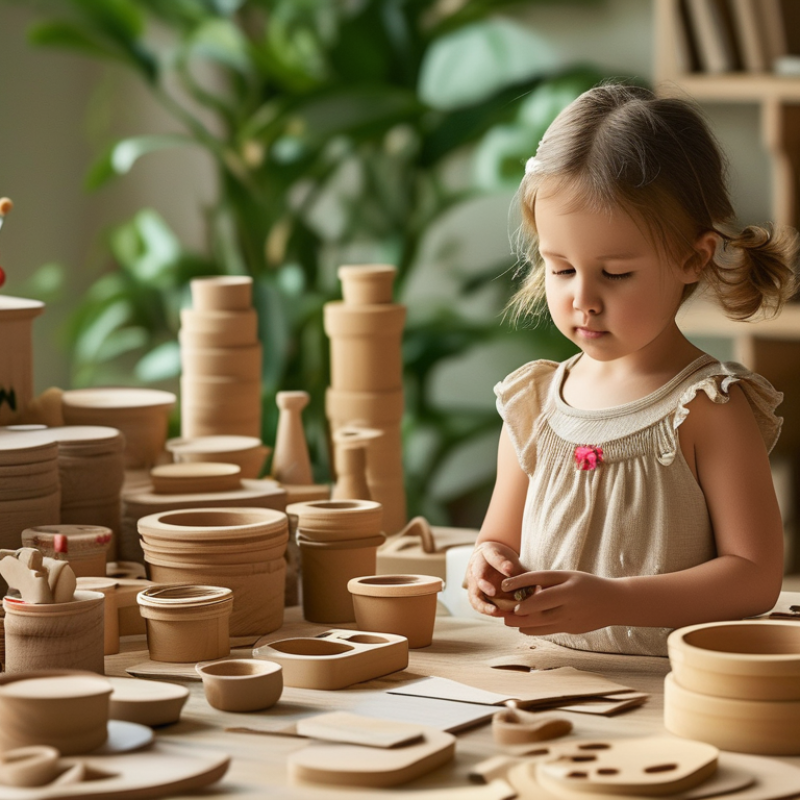
Choosing materials like paper, wood, and certain plastics can be safer options for children’s crafts. For instance, paper products should be free of acids and formaldehyde. Natural wood is often a safer alternative, but it must be sanded well to avoid splinters. Many parents overlook the importance of age appropriateness in these materials. Crafts intended for older children may contain small parts unsuitable for toddlers.
However, it's not always clear-cut. Some "safe" materials can still pose risks if misused or not monitored closely. For example, homemade glues or paints may seem harmless but could have unpredictable reactions. Transparency from manufacturers can help, but not all sources provide clear information. Parents should remain vigilant, researching and questioning the possible hazards of craft supplies they choose for their children.
Non-Toxic Paint Options for Kids' Craft Kits
When it comes to children's craft kits, selecting non-toxic paint options is paramount. A report by the American Academy of Pediatrics highlights that children's exposure to hazardous materials in art supplies can lead to health issues. This underscores the importance of choosing safe, non-toxic products that promote creativity without compromising safety.
Many parents overlook the significance of checking labels. Some paints may claim to be non-toxic but still contain harmful ingredients. Water-based paints are generally a safer choice, as they are easier to clean and often less harmful than solvent-based alternatives. According to the Art and Creative Materials Institute, look for labels that specify non-toxic certifications. These are crucial indicators of safety for your child.
Tips: Always test a small area first to see how your child reacts. Keep an eye on children during craft activities. Supervision can prevent accidental ingestion. It's also worth exploring natural paint recipes, which often utilize common household ingredients and avoid chemical additives. Consider re-evaluating your craft supply home base regularly to ensure it remains safe for your little artists.
Biodegradable and Eco-Friendly Craft Supplies
When it comes to crafting with children, choosing the right materials matters. Eco-friendly supplies are a safe option. They reduce environmental impact while providing creative fun for kids. Biodegradable materials, such as plant-based glues and natural pigments, are excellent choices. Parents can feel secure knowing these items won't harm their children or the planet.
Consider using recycled paper and organic cotton for craft projects. These materials are free from harmful chemicals and additives. Kids can explore their creativity without the worry of exposure to toxic substances. Water-based paints are another choice that minimizes risks. They provide vibrant colors, yet wash easily from hands and surfaces.
It’s essential to practice caution, even with non-toxic materials. Not all biodegradable products are created equal, and some may still have hidden risks. Supervision during activities can help identify any potential hazards. Parents and guardians should stay informed about the materials they choose. Each selection should encompass safety, fun, and environmental responsibility. Encouraging creativity in a safe way is always a goal worth pursuing.
Safe Adhesives and Glues for Children’s Projects
When selecting safe adhesives for children's craft kits, it’s essential to prioritize non-toxic options. Children often explore their creativity by gluing, sticking, and assembling. Therefore, the materials used should ensure their safety during these activities. Water-based glues are a great start. They are easy to clean and generally safe if accidentally ingested in small amounts. Moreover, many of these products emit low or no harmful fumes, making them suitable for indoor use.
Consider also using glue sticks. They are child-friendly and less messy. Most glue sticks are made with non-toxic formulas, which makes them safer for kids. However, it's crucial to read labels carefully. Some products may contain allergens. Always check for any warnings related to sensitive skin or respiratory concerns. Additionally, some children may be curious and try to taste their supplies, so selecting clear, safe options is vital.
Reflecting on these choices brings to light the importance of supervision. Crafting can turn into a messy and chaotic experience. While kids enjoy making their projects, adult guidance should ensure safe usage of all materials. Craft time can be fun yet requires attention to detail, especially when it comes to safety. Balancing creativity and security is key to a successful craft session.
Durable and Safe Fabrics for Kids' Craft Activities
When selecting materials for children's craft kits, safety and durability are essential. Natural fabrics like cotton and linen are excellent choices. They are soft, breathable, and non-toxic, making them safe for kids. Craft activities often involve little hands that might tug and pull. Cotton can withstand this wear, maintaining its shape and softness.
Another good option is felt, which comes in various colors. Felt is easy to cut and does not fray, meaning kids can create fun designs without worrying about messy edges. Additionally, synthetic fabrics like polyester are sometimes included for their durability. They resist stains and damage, though it’s important to check for safe dyeing processes.
However, caution is key. Always supervise crafting sessions. Children can put materials in their mouths, making safety paramount. Not all fabrics are created equal, and some may contain harmful chemicals. Take the time to read labels and research before making choices. Crafting should be a joyful experience without compromising safety.
FAQS
: Safety standards focus on non-toxic properties, flammability, and choking hazards. Testing is often legally required.
Paper, natural wood, and certain plastics are safer options. Ensure paper is free from acids and formaldehyde.
Crafts for older kids may have small parts unsuitable for younger children. This can pose choking hazards.
Homemade glues or paints can seem harmless but may have unpredictable reactions. Monitor their use closely.
Choose non-toxic, water-based glues. Glue sticks are also child-friendly and usually safe.
Adult supervision is crucial. Crafting can be messy, and safety must always be a priority.
Cotton and linen are soft, breathable, and non-toxic. Felt is also a great choice for easy designs.
Check for safe dyeing processes in synthetic fabrics. Not all are created equal; some may have harmful chemicals.
Balance creativity and safety by supervising children. Take time to read labels and choose materials carefully.
Crafting should be joyful. Regularly reassess materials for safety, focusing on both fun and hazard prevention.
Conclusion
When considering what materials are safest for children's craft kits, it's essential to be aware of established safety standards that govern craft materials. Non-toxic paint options are crucial to ensuring that children can express their creativity without exposure to harmful chemicals. Additionally, opting for biodegradable and eco-friendly craft supplies not only protects children's health but also contributes to a sustainable environment.
Moreover, safe adhesives and glues are paramount for children’s projects, preventing any risk of ingestion or skin irritation. Finally, selecting durable and safe fabrics for kids' craft activities ensures that the materials can withstand playful hands while maintaining safety. By prioritizing these elements, caregivers can create a secure and enjoyable crafting experience for children.

 JKit Toys